

Enforce small claims judgment Kenya: how to collect after you win
The court has decided in your favour but the money hasn’t come. Here is what the Act provides, what the 2026 High Court ruling changed and the steps to take next.
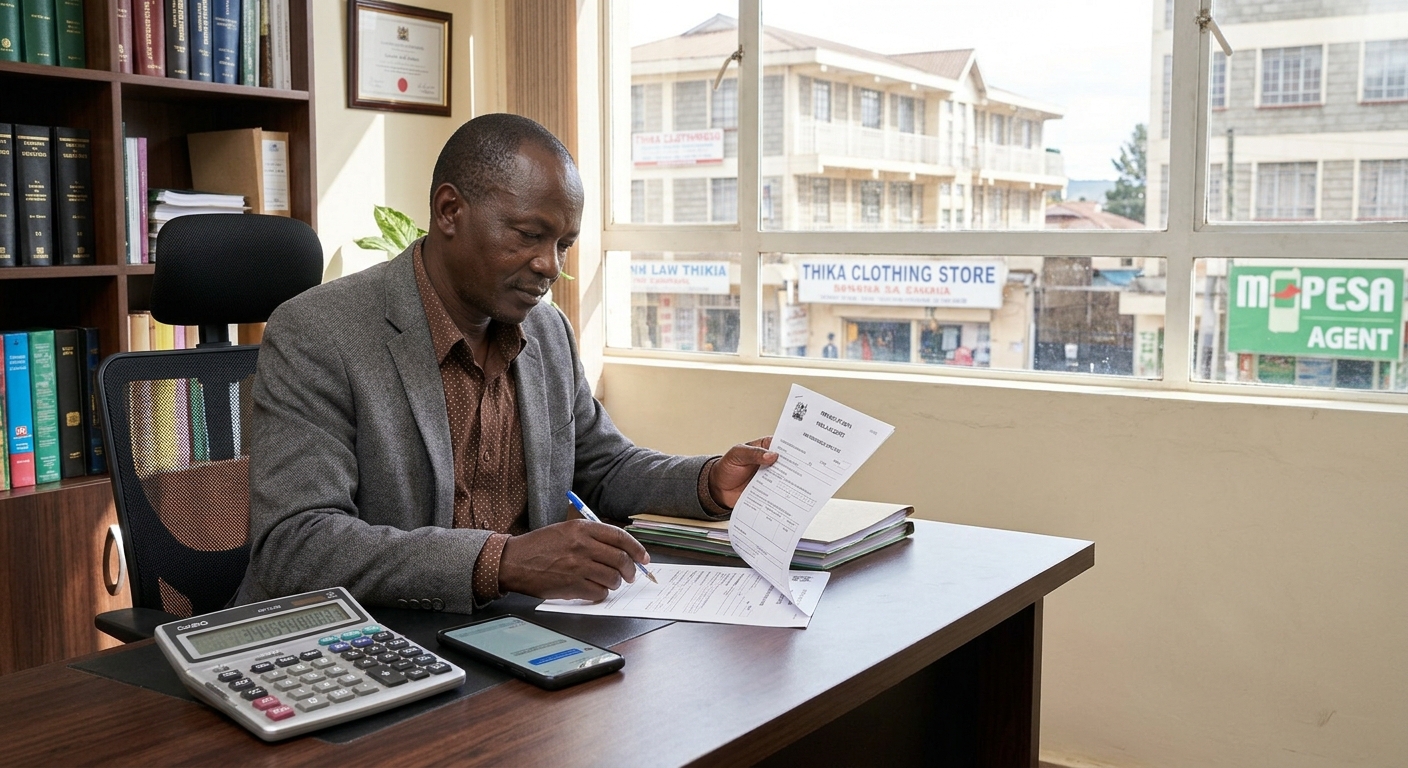
Winning a claim is one thing. Getting paid is another, and that is where many people stall. If you want to enforce small claims judgment Kenya courts have given you, it helps to know what the Small Claims Court Act, 2016 provides, what changed in 2026, and what you can do yourself before you go back to the registry.
This is Part 3 of our small claims series. Part 1 explains how a claim is filed, and our guide to how to fill in SCC 1 form covers the claim form itself. This part starts once the court has given its decision. It is general information as at October 2026.
Three points to start with
Enforce small claims judgment Kenya: the tools the Act gives you
The Act itself sets out how a decision of the court is enforced. Sections 37, 39 and 40 provide for attaching movable and immovable property, attaching salary and executing against the debtor’s assets. In plain terms, the court can reach what the debtor owns or earns.
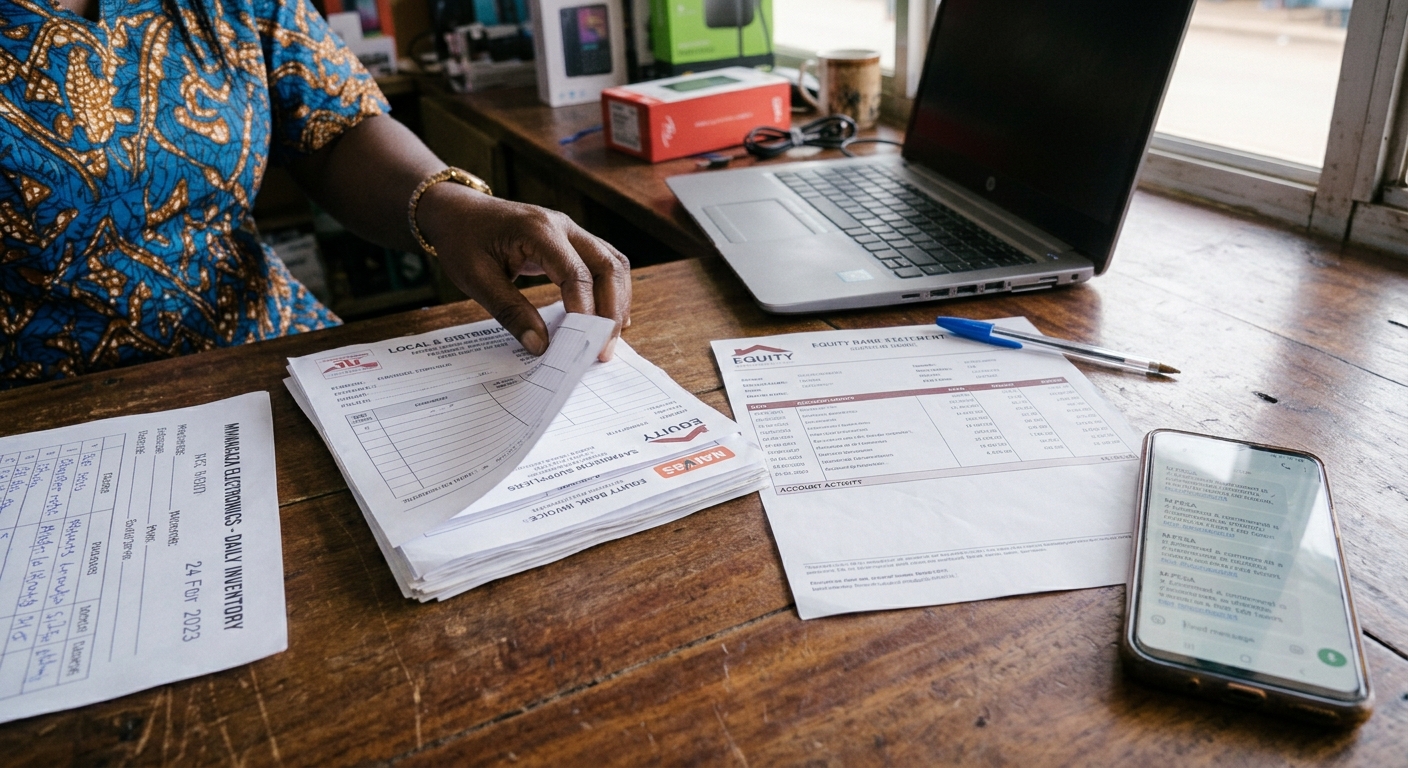
These tools work better when you can say where payment can come from. A payslip, a business name, a bank, a vehicle or a plot of land gives the registry something to act on. Without that, an order is only paper.
Under the Small Claims Court Rules, 2019, as published in 2019, a decision takes effect from the date it is read in court (Rule 23(5)). Check the registry for the current version of the Rules, because rules can be amended after publication.
What the 2026 ruling changed
Many people ask whether a small claims debtor can be arrested. In Gathaiya v Attorney General & 2 others [2026] KEHC 290 (KLR), decided on 22 January 2026, the High Court held that Rule 25(1) was unconstitutional and beyond the Act, because it imported arrest and committal to civil jail into the Small Claims Court. The court did not hold that civil arrest is unconstitutional in general.
So the answer for a small claims judgment is that arrest is not one of the routes the Act gives you. Judgments from other courts follow the Civil Procedure Act and its rules. We explain that in our article on judgment debtor arrest in Kenya.
If you already hold a small claims judgment, don’t assume it can simply be moved to another court to unlock other remedies. That question isn’t settled for this situation, and it is one to put to an advocate against your own papers.
Steps to follow after judgment
- Get the decision in writing.
The court prepares a written record of its decision (Rule 23(4)). Keep the copy and note the date it was read.
- Ask for payment.
A short written request, with the amount and the account or method of payment, shows you gave the debtor the chance to comply.
- Gather information on means.
Collect what you know of the debtor’s income, business, bank, vehicles or land.
- Choose the route.
Property, salary or other assets under sections 37, 39 and 40. Ask the registry how to apply and who carries out the steps.
- Record every payment.
Keep receipts or statements, and tell the court if the debt is paid.

Keep your communication with the debtor courteous and in writing, by email or message, so there is a record. Threats or public shaming cause problems and do not help a claim to be paid. Where a debtor offers to pay, ask for the offer in writing and for the date and amount of the first payment.
A court registry can tell you which forms or applications it expects. If you are unsure, an advocate can prepare them.
If the debtor asks for time
The Rules contemplate that a debtor may propose a schedule for paying. Under Rule 27, as published in 2019, the court can allow payment by instalments on terms it considers just, if satisfied on evidence that the debtor can’t pay in a lump sum. It considers the debtor’s net monthly income, assets and liabilities, and any assets disposed of to defeat the creditor.
A debtor can also ask for a stay of execution (Rule 28), and either side can ask the court to review a decree for an error apparent on its face or a clerical or arithmetical mistake, within three months (Rule 29). An appeal lies to the High Court on points of law only, and that decision is final (section 38 of the Act).
If you agree a schedule, put it in writing and keep to it. If the debtor misses a payment, Rule 26 says the payment is recoverable and the order enforceable under the Civil Procedure Rules.
Common problems when you enforce small claims judgment Kenya
The debtor can’t be found. An old address is a frequent hold-up. Keep a record of every address, phone number and workplace you have for them, and tell the registry when you learn of a new one.
There seem to be no assets. That is common with small businesses and individuals under pressure. A debtor with little today may have a salary, stock or a new business later, so a decree that remains unpaid is not necessarily lost. Keep your papers and check periodically.
The debtor pays part. Record each payment with the date and method, and say in writing how you are applying it. If you agree a schedule, put it in writing so the position is clear if there is a later dispute.
The debtor says the decision was wrong. Their options are the review, stay and appeal routes above, each with its own limits. A pending application doesn’t always stop enforcement, so ask the registry about the position in your case.
When you enforce small claims judgment Kenya courts look at evidence, so a short, dated log of what you have done is worth keeping from the first day.
If you are the creditor
Keep your file tidy: the decision, your written demand for payment and anything you know of the debtor’s means. Practical, documented steps are more useful than repeated reminders.
To enforce small claims judgment Kenya registries expect clear information, so gather it before you go back.
If you are the debtor
Don’t ignore a decree. If you can’t pay in full, tell the other side and the court early, with evidence of your income and obligations. A proposal that is realistic and in writing is more likely to be considered.
Our guide to small claims forms includes the response form for earlier stages.
The information in this article is provided for general informational purposes only and does not constitute legal advice. The law and court practice change, and rules can be amended after publication. The application of the law depends on the facts of each case. If you are enforcing or facing a judgment, please consult a qualified advocate.
Frequently asked questions
Can I enforce a small claims judgment myself?
You can begin by asking for payment and gathering information on the debtor’s means. For applications to the court, ask the registry what it requires, or have an advocate prepare them.
Can a small claims debtor be arrested in Kenya?
Not under Rule 25(1), which the High Court held unconstitutional in January 2026. The Act itself provides for attaching property, salary and executing against assets (sections 37, 39 and 40).
What if the debtor can’t pay all at once?
Under Rule 27, as published in 2019, the court can allow payment by instalments if satisfied on evidence that the debtor can’t pay in a lump sum.
Can I appeal a small claims decision?
Yes, to the High Court on points of law only, and that decision is final (section 38).
Trying to collect on a judgment?
Contact Waweru Nyambura & Company Advocates, Thika Arcade, Thika.
Leave a Reply